

Welcome to the Electric Unicycle Shop: Your Gateway to Effortless Mobility!
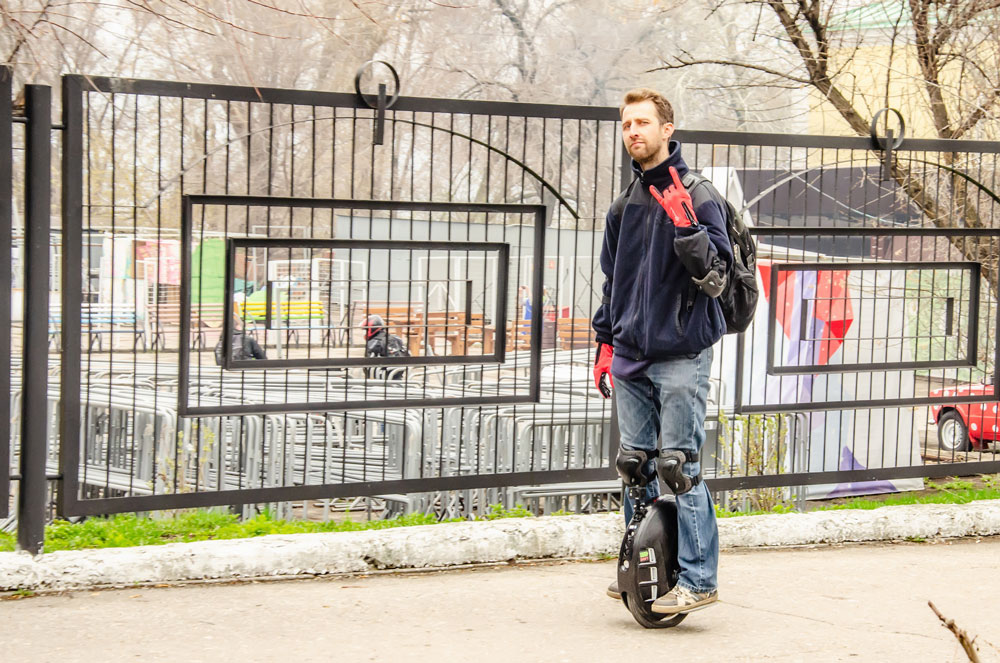
Electric Unicycle: Revolutionizing Personal Transportation
Electric Unicycles are the epitome of innovation, revolutionizing how we move from one place to another. Say goodbye to traditional commuting challenges and embrace the future of personal mobility with grace and convenience.
How Does an Electric Unicycle Work? The Science Behind the Magic
Let’s explore the fascinating technology behind Electric Unicycles. These self-balancing wonders use advanced gyroscopic sensors to detect shifts in your body’s balance, enabling intuitive control over acceleration, deceleration, and direction. Say hello to effortless gliding on a single wheel!
The Electric Unicycle Shop – Your Haven for Unparalleled Freedom
At the Electric Unicycle Shop, we offer a diverse collection of cutting-edge Electric Unicycles that cater to riders of all levels. From beginners to seasoned enthusiasts, find the perfect Electric Unicycle that complements your lifestyle and mobility needs.


Electric Unicycle with Extended Range: Exploring Endless Possibilities
With its extended range, the Electric Unicycle is the ultimate choice for adventurers seeking boundless exploration. Unlock new horizons and traverse longer distances without compromise. Only at the Electric Unicycle Shop do we offer the most advanced and long-lasting Electric Unicycles.
Embrace Portability with Electric Unicycle Commuter Models
Navigating busy city streets has never been easier with Electric Unicycle commuter models. Compact and elegant, these models effortlessly weave through traffic, making your daily commute a breeze. Embrace the convenience and eco-friendliness of Electric Unicycle commuting.
Safety First: Essential Electric Unicycle Accessories
Prioritizing safety, we offer a range of essential Electric Unicycle accessories. From helmets to protective gear and visibility lights, equip yourself for secure, worry-free rides. At the Electric Unicycle Shop, we believe in safeguarding every aspect of your mobility experience.


Expert Advice: Our Enthusiast Team is Here to Guide You
Navigating the world of Electric Unicycles can be overwhelming. Fear not! Our team of Electric Unicycle enthusiasts is here to provide expert advice and assistance. Let us help you select the ideal Electric Unicycle that aligns with your preferences and riding style.
Mastering the Electric Unicycle: Tips and Tricks for Beginners
If you’re new to Electric Unicycles, we’ve got you covered. Our blog is packed with valuable tips and tricks to help beginners master the art of Electric Unicycle riding. From mounting techniques to balancing drills, our expert advice will elevate your skills quickly.
Elevate Your Commute: The Eco-Friendly Alternative
Electric Unicycles are more than a mode of transport; they are an eco-friendly lifestyle choice. By choosing an Electric Unicycle, you contribute to a greener future while embracing the joy of effortless mobility.
Shop Now: Exclusive Offers on Electric Unicycles
Ready to embrace the world of Electric Unicycles? Don’t miss our exclusive offers and irresistible deals on top-notch Electric Unicycles at the Electric Unicycle Shop. Shop now and experience the freedom of gliding on a single wheel.


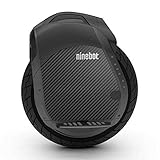
Conclusion:
At the Electric Unicycle Shop, we invite you to step into the future of personal transportation with Electric Unicycles. Discover the wonders of seamless mobility and unmatched freedom as you glide effortlessly on a single wheel. Explore our diverse collection, enjoy expert advice, and elevate your daily commute and adventures. Shop now at the Electric Unicycle Shop and embark on a journey of boundless possibilities!
Ten frequently asked questions (FAQs) about Electric Unicycles:
What is an Electric Unicycle?
An Electric Unicycle is a self-balancing, single-wheeled device powered by an electric motor. It allows riders to travel with ease and agility as they control the movement by shifting their body weight.
How does an Electric Unicycle work?
Electric Unicycles utilize gyroscopic sensors and accelerometers to detect the rider’s balance and movements. The built-in motor adjusts its speed and direction based on the rider’s weight shifts, making it self-balancing and easy to control.
Are Electric Unicycles safe to ride?
Electric Unicycles are generally safe to ride, but proper precautions, such as wearing safety gear like helmets, knee pads, and wrist guards, should be taken. Beginners are encouraged to practice safely to gain confidence before venturing onto busy streets.
What is the range and speed of an Electric Unicycle?
The range and speed of Electric Unicycles vary depending on the model and battery capacity. Generally, they can travel between 10-20 miles (16-32 km) on a single charge and reach up to 15-20 mph (24-32 km/h).
Can Electric Unicycles be used for commuting?
Yes, Electric Unicycles are an excellent choice for commuting, especially in urban areas. Their compact size allows riders to navigate through traffic easily, and their eco-friendly nature makes them a sustainable alternative to other modes of transportation.
Do Electric Unicycles require maintenance?
Like any electric vehicle, Electric Unicycles require some maintenance. Regularly check the tire pressure, ensure proper charging, and keep the unit clean and debris-free for optimal performance.
Is it challenging to learn how to ride an Electric Unicycle?
Learning to ride an Electric Unicycle can vary depending on individual skills and prior experience with similar devices. While some riders find it intuitive and pick it up quickly, others may require more practice to gain confidence in balancing and maneuvering.
Can Electric Unicycles be ridden off-road?
Some Electric Unicycle models are designed for off-road use and can handle various terrains like gravel, grass, and dirt paths. However, not all models are suitable for off-road riding, so it’s essential to check the specifications of the specific model.
Are there weight restrictions for Electric Unicycles?
Electric Unicycles typically have weight restrictions, and exceeding these limits may affect the device’s performance and safety. It’s essential to adhere to the manufacturer’s guidelines regarding rider weight.
Where can I buy an Electric Unicycle?
Electric Unicycles can be purchased from specialized online retailers, electric vehicle stores, and some sports or outdoor equipment stores. Research reputable sellers and check for warranties and customer support when purchasing.

