Electric Unicycles 101: A Beginner’s Guide to E-Unicycles
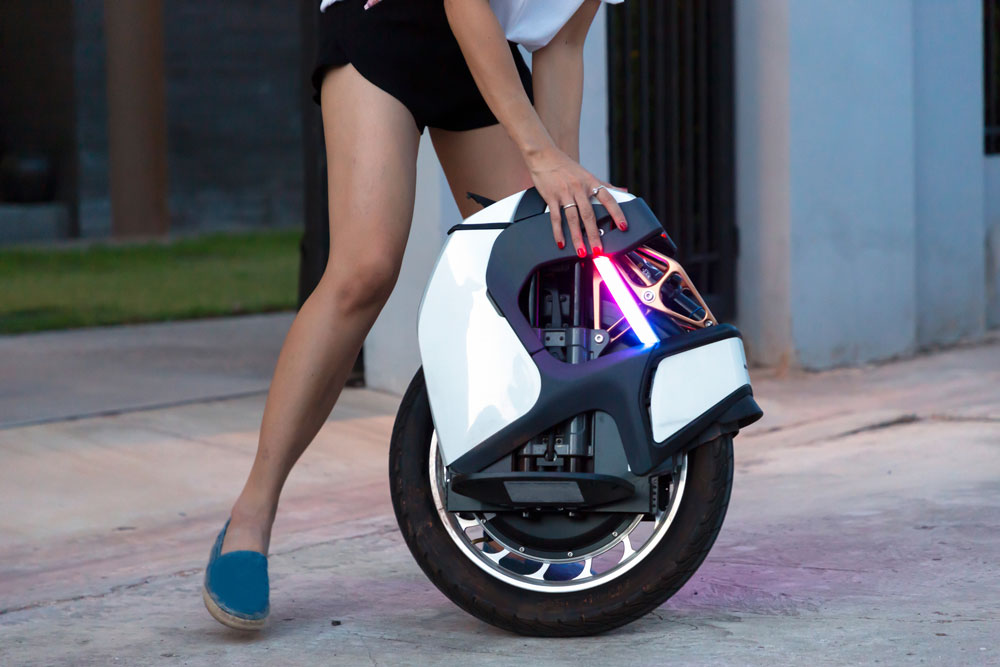
Electric unicycles have revolutionized personal transportation, offering an innovative and eco-friendly way to navigate urban landscapes and explore off-road terrains. If you’re curious about this fascinating mode of transport and eager to master the art of riding, you’ve come to the right place! This beginner’s guide will demystify the world of electric unicycles, providing essential insights, safety tips, and everything you need to embark on an electrifying journey of your own.
What are Electric Unicycles?
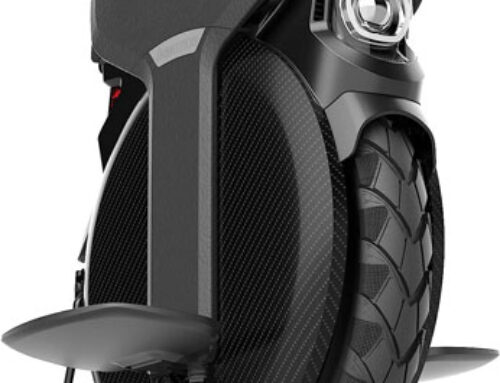
Electric unicycles, often called E-unicycles, are self-balancing personal electric vehicles with a single wheel and an integrated electric motor. They use advanced gyroscopic sensors to detect the rider’s movements and maintain balance, making them a unique and thrilling mode of transportation.
Shop Electric Unicycles
How do Electric Unicycles Work?
Electric unicycles rely on a sophisticated balancing system to keep riders upright. The gyroscope, combined with accelerometers and microprocessors, constantly adjusts the motor’s power in response to the rider’s movements. Leaning forward accelerates the unicycle while leaning backward slows it down or initiates braking.


Types of Electric Unicycles
- Urban Commuter E-Unicycles: Designed for city dwellers, these models are compact and lightweight, making them perfect for navigating busy streets and crowded public transport.
- Off-Road Adventure E-Unicycles: Equipped with larger and sturdier tires, these models handle rugged terrains and allow riders to explore trails and nature easily.
Advantages of Electric Unicycles
- Eco-Friendly Transportation: Electric unicycles produce zero emissions, making them an eco-friendly alternative to traditional gas-powered vehicles.
- Compact and Portable: Their slim design makes electric unicycles easy to carry and store, making them ideal for urban commuting and travel.
- Fun and Unique Riding Experience: Mastering the art of riding an electric unicycle provides a sense of achievement and an exhilarating riding experience.
Essential Safety Tips for Riding Electric Unicycles
- Wear Proper Safety Gear: Always wear a helmet, knee pads, and wrist guards to protect yourself in case of falls.
- Practice in Open Spaces: Beginners should practice in open areas away from traffic and obstacles until they gain confidence.
- Mind Your Speed: Start with low speeds and gradually increase as you ride more comfortably.


How to Ride an Electric Unicycle
- Step One: Mount the Unicycle: Position the unicycle before you, step onto the foot pedals, and ensure your feet are evenly placed for balance.
- Step Two: Initiating Movement: Lean slightly to engage the motor and start moving. Maintain a straight posture and avoid sudden movements.
- Step Three: Steering and Turning: To steer, shift your body weight to the left or right. Practice turning in a safe environment until you feel confident.
Shop Electric Unicycles
Conclusion:
Congratulations, you’ve completed Electric Unicycles 101! With essential knowledge, safety tips, and riding techniques, you’re ready to embark on an electrifying journey with your electric unicycle. Remember, practice makes perfect, so take your time to master the art of riding and explore the exciting possibilities of this thrilling and eco-friendly personal electric vehicle. Enjoy the ride!


Recent Electric Unicycle Reviews
INMOTION V11 Electric Unicycle Review: The Ultimate Adventure Companion
About Scooter McGoo: Your Source for Wheeled Sports Adventure
Welcome to Scooter McGoo, your ultimate destination for all things wheeled sports! Since our founding in 2017, we have been dedicated to providing enthusiasts, beginners, and thrill-seekers alike with a diverse selection of top-quality scooters, skateboards, longboards, one-wheels, and mopeds. Our mission is to make your purchasing experience seamless and enjoyable while offering expert advice and sharing our passion for wheeled adventures.
Our Product Lineup:
- Scooters: Whether you’re a seasoned pro or just starting, Scooter McGoo has the perfect electric scooters for all ages and skill levels. Choose from various sizes, styles, and power options to suit your needs and preferences.
- Skateboards: Get ready to shred the streets with our premium skateboard selection. Designed and shaped by respected names in the industry, our skateboards offer the best possible ride and performance.
- Longboards: For a smooth and relaxed ride, explore our longboard collection. We carry inflatable boards for easy transport and storage and rigid boards for advanced paddlers.
- One-Wheels: Experience the thrill of riding a one-wheel with our cutting-edge selection. Perfect for adventurers seeking an innovative and unique personal electric vehicle.
- Mopeds: If you prefer a more leisurely experience, check out our range of mopeds. Ideal for relaxed cruising and leisurely pursuits.
- Electric Unicycles: Embark on an electrifying journey into the world of electric unicycles with this comprehensive beginner’s guide. Discover electric unicycles, their work, essential safety tips, and more. Get ready to master the art of riding and explore the possibilities of this thrilling and eco-friendly personal electric vehicle.
Our Promise to You:
- Expertise and Knowledge: At Scooter McGoo, we share our expertise and knowledge to help you make informed decisions. Our team of enthusiasts is always available to answer any questions and provide expert advice on choosing the perfect wheeled sports equipment for your needs.
- Curated Selection: We carefully curate our product lineup, offering only top-rated, high-performance, and innovative models from leading brands. We aim to ensure you have access to the best products that guarantee a thrilling and safe experience.
- Community and Support: Join our vibrant community of wheeled sports enthusiasts, where you can share your experiences, ask questions, and connect with like-minded riders. We’re committed to providing exceptional customer support to ensure your satisfaction with every purchase.
- Environmentally Conscious: Embrace an eco-friendly lifestyle with our selection of electric scooters and mopeds designed to reduce carbon emissions and minimize your environmental footprint.
At Scooter McGoo, we live and breathe wheeled sports and are excited to share our passion. Whether you’re seeking an adrenaline-pumping ride, a fun way to commute, or a relaxing journey through scenic landscapes, we have the perfect products to move you through life. Explore our website, discover the best scooters, skateboards, longboards, one-wheels, and mopeds, and join our community of wheeled adventure seekers. Embrace the thrill of the ride and make Scooter McGoo your go-to source for wheeled sports adventure.