

Shop Skateboards for Kids: Igniting the Joy of Skateboarding

Finding the Right Fit: Choosing the Ideal Skateboard for Your Child
Selecting the perfect skateboard for your child is crucial for a positive skateboarding experience. Our comprehensive guide offers valuable insights into deck size, wheel hardness, and design, helping you make an informed decision that suits your child’s age and skill level.
Embrace Balance: Beginner-Friendly Skateboards for Kids
We offer young beginners a range of skateboard options with stable and easy-to-ride designs. These beginner-friendly skateboards provide a smooth learning curve, allowing your child to gain confidence in their skateboarding abilities while having fun.
Skateboarding in Style: Trendy and Eye-Catching Designs
Kids love to express themselves through their gear, and our collection of skateboards boasts trendy and eye-catching designs that reflect their unique personalities. Our skateboards let kids ride in style and showcase their individuality, whether it’s vibrant graphics, cool patterns, or their favorite characters.
Embrace the Thrill: Cruiser and Penny Boards for Kids
For kids who enjoy cruising and carving, we offer cruiser and penny boards that provide a smooth and enjoyable ride. These compact and maneuverable boards are perfect for leisurely skateboarding sessions, allowing your child to explore their neighborhood easily.
Scooter McGoo’s collection of skateboards for kids paves the way for young riders to ignite their passion for skateboarding. From beginner-friendly options to trendy and stylish designs, our carefully curated selection ensures that your child’s skateboarding journey is filled with joy and confidence. Explore our range of top-quality and safe skateboards, and watch your child embrace the thrill of skateboarding while developing essential balance and coordination skills. With Skateboards for Kids, every ride becomes an opportunity for thrilling adventures and self-expression.
Shop Kids Skateboards
The best skateboard for kids who are just starting is one that has good quality and is affordable. There are many brands and models to choose from, and this guide will help you narrow down the options and decide which is right for you. It also includes information about the different materials used to make the boards and how the wheels are made.
Cruiser Skateboards
A cruiser skateboard is a fun and exciting way to learn the sport. They are shorter than longboards and feature wider wheels, giving you more stability and less chance of misplacing your foot.
The best cruiser skateboards are made from top-notch materials. This includes high-density eight-layer maple wood decks and ABEC-7 bearings. These are durable and provide a smooth ride.
In addition to the deck, you should also look for wheels rated for more excellent shock absorption. Softer wheels make your ride more comfortable, while hard wheels are better for rough surfaces.
Some of the best beginner cruiser skateboards come with a sturdy carrying bag. These boards are slim enough to fit a backpack and easily transport.


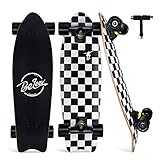

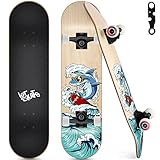
7-ply maple and aluminum Skateboards
The best skateboards for kids are the ones that have sturdy decks and smaller wheels. This helps kids to learn the ropes and perform basic tricks. It also offers more stability.
The deck of most skateboards is made from seven layers of maple wood. Each layer is attached to the next using a unique adhesive. Having a sturdy deck can prevent the board from cracking and breaking.
A good skateboard for beginners also has soft wheels. These offer a comfortable ride and are ideal for rough surfaces. They also forgive on gritty surfaces like asphalt.
You can’t go wrong with a Dragon Skateboard if you’re looking for a budget skateboard. You can choose from a variety of colors and designs. Their concave design and 8.0” wide deck make them a good choice for beginner riders.


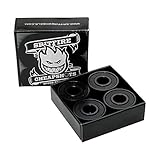
ABEC-11 Skateboard Bearings
If you are looking for skateboards for beginners kids, then it is important to know the ABEC rating of the bearings. A higher ABEC number indicates a smoother ride and greater precision.
Bearings are designed to be shielded to keep out moisture and other elements that might cause damage. However, bearings are not the only component on a skateboard. The deck is also a major component. This deck is made of high-density 8-layer maple wood that provides a firm grip.
The wheels are made of polyurethane to help resist abrasion. These wheels also have a durometer hardness of 95A.
ABEC 7 bearings are also available. These bearings are smooth enough to give you a quality ride and allow you to control your speed.

![SHKI [10 Pack] 608 2RS Ball Bearings – Bearing Steel and Double Rubber Sealed Miniature Deep Groove Ball Bearings for Skateboards, Inline Skates, Scooters (8mm x 22mm x 7mm)](https://m.media-amazon.com/images/I/41apq3qMeoS._SL160_.jpg)
![Bones Reds Bearings 8-Pack for [Skateboards, Longboards, Scooters, Spinners] (8-Pack W/Tool)](https://m.media-amazon.com/images/I/41GIGV3Oq6L._SL160_.jpg)
Hard and soft skateboard wheels
If you are new to skateboarding, finding the difference between hard and soft skateboard wheels is essential. Many options are available to beginners, but choosing the right ones is essential for a great ride.
Hard wheels tend to be faster and more maneuverable. They are best suited for cruising, skating on ramps, and vert skating. It can be challenging to break in a stiff wheel. Also, they make a lot of noise and are not a good choice for smooth surfaces.
Soft wheels are less durable and wear out quicker. Their grip and shock absorption aren’t excellent, but they have a good cushioning effect. This makes them good for rough roads and cruising, though they are not recommended for tricks.
METROLLER Skateboards
A skateboard is one of the best tools for kids to have fun and learn tricks. However, it would be best to buy a durable skateboard suitable for your child’s age and skill level.
If you’re looking for a sturdy and safe skateboard, consider the Metroroller. This model features soft rubber wheels that absorb shocks, making it easier for your child to push off and return to the board.
In addition, the deck is shaped concave for stability. It is also made of high-quality materials. Another great feature of this model is the grip tape on the top. The high-quality grip tape provides your child with a more stable ride.


