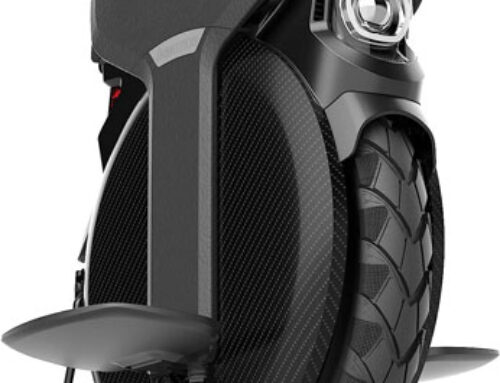
Freeride Downhill Longboard Review
 Longboards are an exciting pastime tool that most enthusiasts who like fun will have a soft spot for. You might be wondering why? This is because it is truly fascinating to surf or simply ride a longboard like a skateboard. Since there are numerous nice-looking boards on sale this day, it’s quite challenging to keep surfing with one. You’ll always get something better when you shop online. Keep reading about the Freeride Downhill Longboard Review.
Before you finish reading this review, you’ll already have seen the value in its credibility. So, does the freeride longboard device have what it takes to be your next purchase? We’ll find out soon. So, let’s begin!
Freeride Longboard Review
Freeride Downhill Longboard comes with a few unique features. Some of these key features include:
Drop-through Design
Freeride’s innovators decided that wide trucks and huge decks are ideal for performing the high-haste downhill entrants. If you’re looking for a flawless board for your activity, the downhill longboard is your go-to option. However, if you’re a novice and want to know what the enthusiasm is all about, you should opt for a decent stable board. Generally speaking, this downhill longboard is undoubtedly a pure artisan work that provides you with a perfect mixture of super flex decks with a great camber feel.
You will truly love this deck because you can set it up so easily. Many experts who have practiced on a wide range of boards have concluded that the drop-through design when it comes to decks is the most convenient option.
The deck is usually tough and can also absorb shock perfectly such that you will always love your ride. Its superb length makes it easy to handle curves and turns. With the drop-through design, you will have the fastest way to go down the hill.
Healthy Materials
Typically, the drop-through longboard’s manufacturing process applies the high-quality maple material (8 layers of it to be precise) to guarantee that durability is maximum. The epoxy glue applied is super strong to keep the parts together. The trucks are also built of aluminum die-casting that primarily inhibits rust and corrosion. The construction quality is also great and environment-friendly.

Offers Perfect Stability
Because of the drop-through design, the board is ideal to offer extreme stability. As a result, whenever you come across any tough area or hard surface to ride, its balance will keep you safe.
There is also a perfect beginner board that comes with holes to allow improved stability. That way, you will be lower to the ground. It’s a vital feature that’s quite basic although many manufacturers skip it.
Avoid going with fancy features rather than focusing on the basics. In the long run, these rudimentary characteristics will perform the important job of keeping you straight and safe. More often than not, having a relatively lower center of gravity is the best way of coping with high anxiety when it comes to super speed situations. This board will help you with this! Since the board is also huge, it’s extremely balanced.
Comfortable Speed
The board utilizes an aluminum kingpin truck to allow you improved usability. It’s also adjustable such that you can modify it from a forty-five to fifty-degree base plate. That also means that maneuverability is a piece of cake with this board. Furthermore, the durable wheels come with a great measurement to allow strong grip and better speed. Undoubtedly, the unsurpassed smooth ride will provide you with the enjoyment you deserve. With its super attractive vintage graphics style, many riders will feel the appearance is suitable for them. The design might look sleek and stylish but it is also very friendly!
This board is a complete package since it makes speed an easy thing to control. Regardless of what surface you pick, the longboard will always maintain the speed within balance. It’s neither too slow nor too fast – this makes it one of the best options for beginners. Well, controlling the speed will certainly rely on your skills. Most of the time, however, it would feel fast and dependable. Considering all these factors, it offers enough speed to move around safely.
Conclusion
Hopefully, the review on Freeride Longboard will help you out to determine whether to buy it or not. But why don’t you? It’s undoubtedly a great quality product that most riders enjoy. You also don’t need to worry about repairing it because you will be able to get enough savings for maintenance if need be. This will be an awesome deal to crack when it comes to beginners and an effective option for most riding tricks.
The longboard is particularly ideal for downhill and depressing roads and streets because of its favorable length. You can also use it for your everyday commute and treading. This is a considerable replacement for vehicles, don’t you think so?
Freeride Downhill Longboard Video
Freeride Downhill Longboard Review
About ScooterMcGoo
Scooter McGoo is an online marketplace for skateboards, longboards, scooters, and Mopeds. We take pride in the personal reviews and tips we share so you can have a better purchasing experience. Scooter McGoo was founded in 2017 and diligently gathers online customer reviews to provide actual customer responses. Check back with us often as we review and share more tips about Scooters, Skateboards, Longboards, and Mopeds. Our website is continually updated with more articles about wheeled products to move you through life. Our target is to have the most effective top-quality website and to educate and entertain our site visitors. If you have any inquiries, you can contact us at any time by utilizing our contact page.